Responsible Boating
Being a boater isn’t just about cruising with family and friends, competing in watersports or enjoying the great outdoors. It’s about respecting the environment and others with whom you are sharing the water.
As a responsible boater, you not only care for the environment you also help protect access to recreational boating areas for years to come. To start, there's a few basic guidelines to follow as a responsible boater:
Travel Responsibly
Boat only on waterways open to your type of boat. Be sure to have a Coast Guard-approved life vest (PFD) for each passenger on your boat. Operate your boat at a safe speed and have someone on board act as a lookout and watch for other boaters, objects, and swimmers. And of course, don’t mix boating with alcohol or drugs.
When trailering your boat, balance your load, including items stowed inside. Make certain your trailer is in proper working order, its lights work and your boat is secure before you travel.
Respect the Rights of Others
Show the same consideration to others who are on and around the waters that you would like them to show to you. Keep the noise down—especially around shore.
Be courteous to other boaters at boat ramp areas, too. Launch and retrieve your boat as quickly as possible.
Educate Yourself
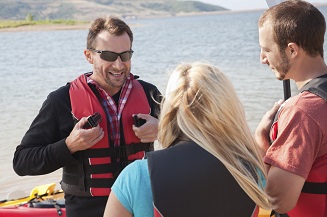
Before going out on the water, take a boater education course to learn about boating safety, and be sure you know how to operate your boat, navigation and communication equipment. Know distress signals and warning symbols.
Get charts of your destination to help plan your trip and contact local officials for area restrictions, closures, and permit requirements. Always tell someone about your travel plans and file a float plan.
Check the weather forecast prior to launching and make sure you have enough fuel and oil for the entire trip.
Avoid Sensitive Areas
Always launch at a designated boat ramp. Backing a vehicle on a riverbank or lakeshore can damage the area and leads to erosion. Don’t operate your boat in water less than 2½ feet deep and travel slowly in shallow waters. High speeds near shore create large wakes that erode the shoreline.
Do not disturb historical, archeological, or paleontological sites and avoid seasonal nesting or breeding areas.
Do Your Part
Leave the area better than you found it. That means pack out what you pack in, dispose of fuel, oil and waste properly and carry a trash bag to pick up litter left by others.
When fueling your boat, take care not to spill fuel in the water. To that end, it’s a good idea to carry a spill kit that includes absorbent pads, socks, and booms.
Before and after a trip, wash your gear, watercraft and tow vehicle to reduce the spread of invasive species. Remove all plant material from watercraft, motor, trailer, and other gear and dispose on dry land in garbage container. After your outing, drain livewells, bilge water, and transom wells at the boat launch prior to leaving.
Green Boating
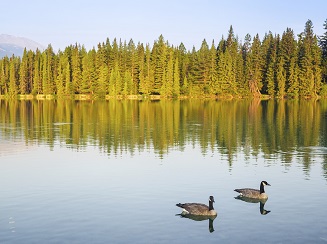
The boating lifestyle is a great way to spend time with family and friends, enjoying the water. And as boaters, it is our shared responsibility to help keep the waters and resources that we use healthy for generations to come. We’re happy to do it and we know you are too! See below for a list of resources, tips and ideas about how to prevent spills, clean your boat with eco-friendly soaps, recycle proper materials and more.
Looking for tips on how you can make a difference by boating green? We’ve got the resources you need to have a great day on the water AND do your part to protect our environment.
Start by reading our guide to Clean Boating: Best Practices for Boaters, along with Green Boating Tips for Personal Watercraft Users.
Report It!
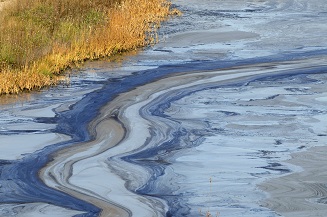
Always use care when filling fuel or oil tanks to avoid spilling or leaking fuel into the water. But, accidents happen: And when they do, there is an important protocol to follow in case of fuel or oil spills and leaks.Did you witness a spill that caused a sheen or “sludge” to appear? Report it!
The Environmental Protection Agency (EPA) has established requirements to report spills. If you cause a spill or see another vessel leaking pollutants, call the National Response Center (NRC.) The NRC is the federal government's national communications center, which is staffed 24 hours a day by U.S. Coast Guard officers and marine science technicians.
Anyone witnessing an oil spill, chemical release or maritime security incident should call the National Reporting Center hotline at 1-800-424-8802.
Help Prevent the Spread of Aquatic Invasive Species

Our nation’s aquatic habitats are important, and can be put into jeopardy by invasive species. Do your part to help STOP the spread of aquatic invasive species (AIS) and protect the habitats native to our waterways. Learn more about how what AIS are, how to spot them and what you can do to prevent them here.
Find more information about AIS at www.aquaticintruders.com.
Responsible Fishing
Adapted from Fishing Tips by Tread Lightly!
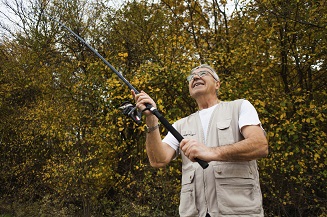
Fishing is one of our nation’s most popular outdoor recreational activities. Being a fisherman isn’t just about finding the perfect fishing hole, casting a line and reeling in your limit. It’s about respecting the areas you fish and sustaining the populations of your favorite species.
By practicing responsible fishing principles, you not only care for the environment you also help protect access to recreational fishing areas for years to come.
When you’re out on the water enjoying the sport you love, keep in mind the following tips for responsible fishing:
Respect the Rights of Others
Be considerate to other anglers, as well as swimmers, skiers, boaters, and divers others who are on and around waterways to fishing spots. If fishing by boat, don’t crowd other anglers or boaters. Practice catch-and-release and keep only the fish you need.
Educate Yourself
Educate yourself prior to your trip. Know the local fishing laws and regulations, including bag limit and legal length/size of fish you intend to keep. Take recreation skills classes and know how to operate your equipment safely.
Utilize our Find Places to Fish & Boat map to help you find approved areas for fishing.
Avoid Sensitive Areas
Don’t operate your boat in shallow waters or near shorelines at high speeds. Choose access to fishing spots wisely; be mindful of damaging fragile vegetation and soils along shorelines and avoid seasonal nesting or breeding areas.
Do Your Part
Leave the area better than you found it. Pack out what you pack in and carry a trash bag to pick up litter left by others. In particular, pack out any discarded fishing line—monofilament line is especially dangerous to wildlife.
- Use artificial lures whenever possible. Live bait can accidentally introduce exotics to an area. If you do use live bait, use bait native to the area.
- If practicing catch-and-release, use barbless single hooks and keep fish in the water as much as possible. When holding a large fish for a photo, hold it horizontally and support its weight.
- Before and after a trip, wash your gear, watercraft and support vehicle to reduce the spread of invasive species. Drain livewells, bilge water and transom wells at the boat launch prior to leaving.
Sharing Our Water
Adated from Sharing Our Water by Tread Lightly!
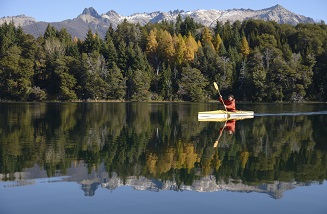
Whether on the water for boating, fishing, or watersports, or on the land, exploring the shoreline or living at water’s edge, everyone who enjoys our nation’s waterways, has same right to enjoy the water as you do. As a responsible boater, you should always be mindful of others on or near the water and the aquatic environment.
A responsible boater is a courteous boater.
Think of yourself as an aquatic ambassador. Know the laws for your area concerning navigable waters and obey all posted signs and markers. Show your respect the environment and don’t litter.
All boaters, whether operating motorized or non-motorized craft, should wear a U.S. Coast-Guard approved life jacket, follow the boating “rules of the road” and be aware of rules and regulations for safety and navigation on the water.
The type of activities you engage in on the water also dictate some of the actions you need to take. Here are some ways to share the water:
Motorized Vessels
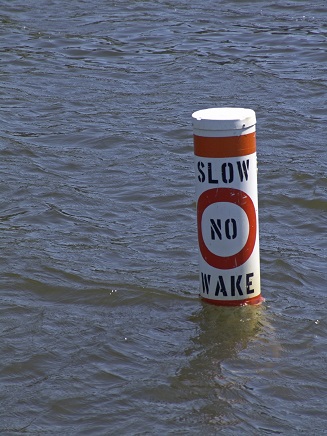
Maintain a safe speed and know who has the right of way when approaching other boats:
- Yield to non-motorized vessels (canoes, kayaks, sailboats, rowboats and paddleboards)
- When crossing paths, the vessel on the right has the right of way.
- In a head on approach neither vessel has the right of way; both should slow down and steer to the right.
- When passing, the vessel you are passing has the right of way; sound an alert by using one short horn blast if passing on the right, two if on the left.
Be aware of your wake and slow down when crossing wakes. Keep a lookout for skiers, wakeboarders and tubers. Try to stay at least 150 feet from other vessels, swimming areas, anglers, etc. If you must pass closer, do so at a no-wake speed.
Keep your engine well tuned and within acceptable noise and emission levels.
Anglers
Give other anglers room to fish. A good rule of thumb is to maintain a two-cast distance. Check to make sure the area is clear before you cast and never fish in swimming areas.
Properly dispose of used or tangled fishing line and any entrails from cleaning fish.
Non-Motorized Craft
Be aware of your surroundings. Stay alert for other boat traffic, both motorized and non-motorized and consider the best way to approach others on the water so you don’t disturb them.
Respect the rights of anglers, Give them plenty of room and hold your position when approaching an angler who has hooked a fish.
Fuel Conservation
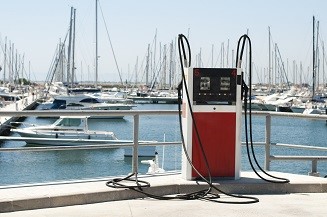
- Boaters are considering ways to reduce fuel consumption while on the water, including reducing cruising speed, tuning the engine and taking shorter trips.
- Unlike driving a car, a boat's engine is often idle or turned off while anchoring, floating or at the dock (all three of which are some of boaters' favorite on-the-water activities).
- An average size powerboat uses about 20 gallons of gas over an entire weekend. A $1 increase in gas means they will spend just $20 more.
- Boaters are beginning to buy engines that better match their boats. If engines have to be run at near or open throttle most of the time, its too small for the boat and its load and fuel consumption and emissions will exceed normal
- Click here to read tips for reducing fuel usage.
New Green Developments
Marine generator manufacturers have also made significant investments to develop and market products that limit carbon monoxide emissions—in some instances by 99 percent—garnering several honors for their efforts. Manufacturers also offer marine exhaust mufflers and catalyst systems to protect boaters and our waters by removing hydrocarbons from generator exhaust.
Boat builders and manufacturers have begun constructing environmentally friendly boat building shops, using green engineering to be energy efficient in every practical way to achieve the latest cutting edge composite construction technology. Such buildings will also incorporate waste water collection systems, pumping it to engineered wetlands where the water will be treated naturally before being discharged.