Taking photos on a boat offers unparalleled access to dynamic seascapes, unique coastline angles, and candid moments of joy. Still, the combination of open water, sun glare, and constant motion makes it a challenging photography environment.
Whether you are using a DSLR or a smartphone, success means protecting your gear while maximizing shutter speed to freeze action.
In this comprehensive guide, we'll provide easy-to-follow tips for mastering boat photography.
How Can You Take Great Boating Photos?

1. Protect Your Gear: The "Dry First" Rule
Water, salt spray, and sand are the enemies of photography equipment. Before leaving the dock, prepare for the environment.
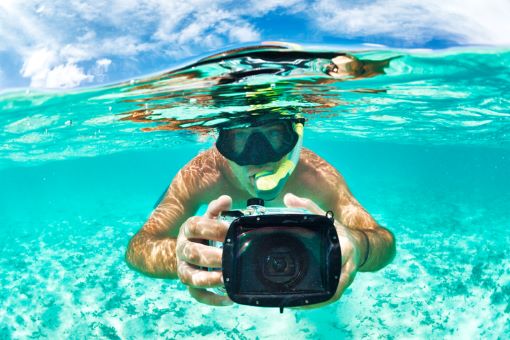
- Dry Bags and Housings: Always store cameras in a dry bag when not in use. If you are on a small, fast, or wet boat, consider a waterproof housing or a rain cover for your camera.
- The Strap Rule: Never shoot without a neck or wrist strap. A sudden bump from a wave can easily send your camera overboard.
- Lens Protection: Use a UV or protective filter on your lens to shield it from salt spray. Salt spray can be difficult to clean and may damage lens coatings over time.
- Cleaning Kit: Bring multiple microfiber cloths. You will need to wipe your lens often.
2. Camera Settings for a Moving Platform
A boat is a constantly moving, vibrating platform. You are often aiming at fast-moving subjects, such as wildlife, other boats, or water-skiers. Set your camera up to capture movement.
- Fast Shutter Speed: Freeze both the subject’s motion and the boat’s vibration by setting your shutter speed to at least 1/500th of a second—preferably 1/1000s or faster.
- Aperture and ISO: Use a slightly higher ISO (e.g., 400 or 800) to allow for fast shutter speeds, even on a sunny day. If using Aperture Priority mode, keep your aperture low (e.g., f/4–f/5.6).
- Burst Mode: Set your camera to high-speed burst mode to increase the chances of capturing a sharp image.
- Autofocus: Use continuous autofocus (AF-C or Servo) to track subjects while the boat moves.
3. Mastering Composition on the Water
A simple, flat shot from a standing position often looks boring. Get creative with your perspective.
- Get Low: Shoot from deck level or lower (safely) to make the wake look more dramatic and immersive.
- Frame the Shot: Use elements like railings, the bow, or sail rigging to frame your subject and add depth.
- Keep the Horizon Level: A crooked horizon is a common mistake. Use gridlines or your camera’s level feature to keep it straight.
- Include People: Capture candid moments of people enjoying the boat for more engaging photos.
4. Lighting and Filters
Lighting conditions on the water can be tricky due to reflection and glare.
- Polarizing Filter: A circular polarizer reduces glare, deepens sky color, and enhances water clarity.
- Golden Hour: Early morning or late afternoon light provides softer, warmer tones for better photos.
- Backlighting: Shooting toward the sun can create silhouettes or dramatic rim lighting effects.
5. Phone-First Boat Photography
Smartphones can capture incredible photos with the right techniques.
- Clean the Lens: Salt spray can blur images instantly—wipe your lens frequently.
- Use Burst/Live Mode: Capture multiple frames and select the sharpest one.
- Manual Exposure Lock: Tap and hold to lock exposure, then adjust brightness to avoid overexposed images.
6. Safety and Stability
Safety on board should always come before getting the perfect shot.
- Three Points of Contact: Maintain stability by keeping two feet and one hand, or two hands and one foot, on the boat.
- Shoot Sitting: Sitting or kneeling lowers your center of gravity and improves stability.
- Respect Safety Rules: Avoid risky positions, especially in rough water or at high speeds.
7. Telling a Story
Don’t just take one photo—capture a full experience.
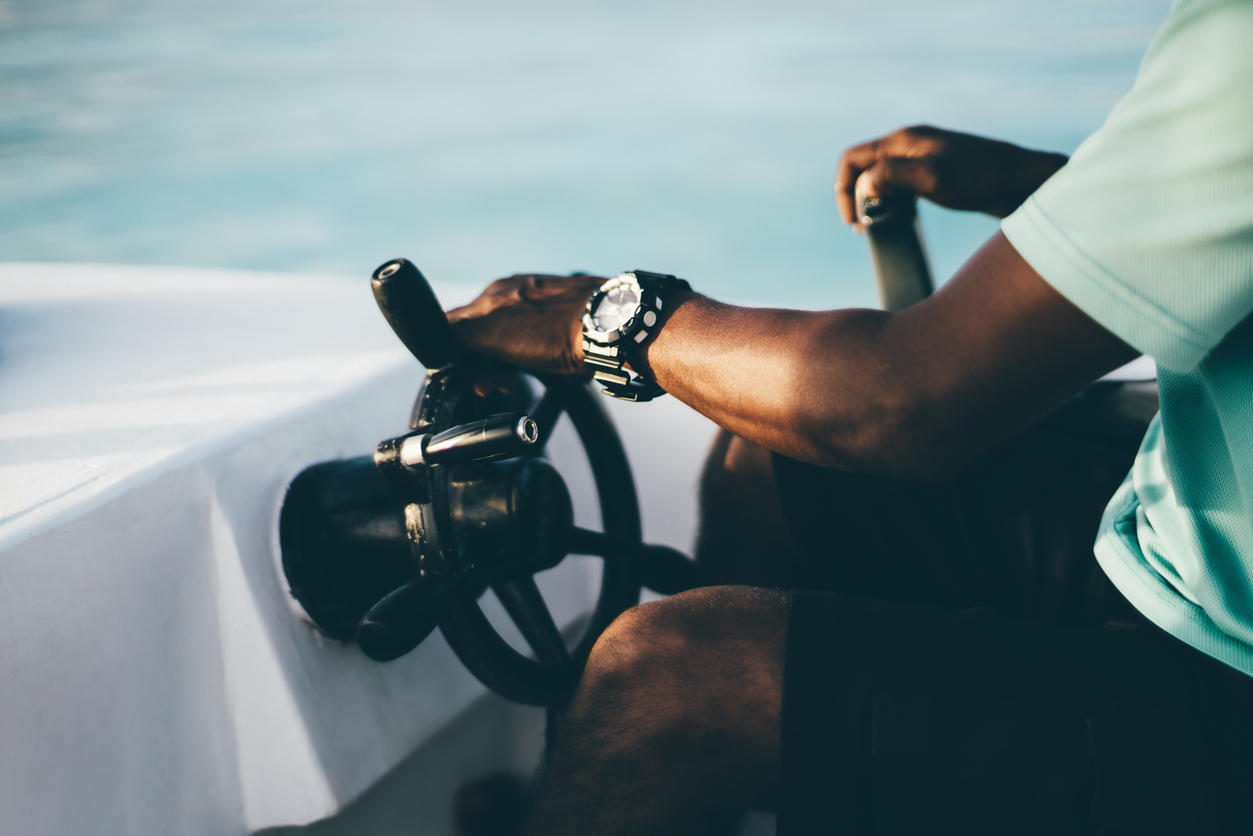
- Details: Photograph elements like the helm, anchor, food, or wake.
- Wide and Tight Shots: Combine wide scenic shots with close-ups of people, wildlife, or action.
Taking photographs on a boat offers incredible, ever-changing views of marine life, coastlines, and sailing action. It also comes with unique challenges. To capture stunning photos, use high shutter speeds, a circular polarizer to cut water glare, and keep your body stable. Always secure your gear and prioritize safety.
If you follow these tips, an ordinary boat trip can turn into a collection of vivid, professional-looking memories captured safely and easily.
Boat Photography Tips: Q&A
Q: What camera settings are best for boat photography?
A: Use a high shutter speed of 1/1000s or faster to avoid blur. Set a higher ISO (400+) to maintain fast shutter speeds. Use burst mode to improve your chances of getting a sharp shot, and continuous autofocus (AF-C or Servo) to track moving subjects. Enable image stabilization if available.
Q: What are other pro tips for getting better shots on a boat?
A: Keep your camera steady to reduce motion blur—shooting from a seated position helps. Use creative composition techniques like framing with the boat and maintaining a level horizon. A circular polarizer can reduce glare. Capture both wide shots and small details to tell a story.
Q: How do you protect a camera while boating?
A: Use a dry bag to protect gear from water and weather. Always use a neck or wrist strap to prevent dropping your camera. Add a UV filter to protect lenses from salt spray and bring microfiber cloths for cleaning.
Originally published in April 2016. Updated in March 2026.